316L, 904L and Titanium: The Metals in Your Watch
Why watchmakers use 316L stainless, what is special about 904L, how titanium grades differ, and what PVD and DLC coatings really are.
Section: Watch Tools & Accessories
Published:
Reading time: about 2 minutes
By the Steel Connect Journal editors
"Stainless steel" on a watch can mean very different things. The grade of the metal affects how a case resists corrosion, how it polishes and how heavy it feels. Here is a guide to the names you will see on spec sheets.
316L stainless steel
316L is the workhorse of watchmaking. It is an austenitic stainless steel with chromium, nickel and molybdenum; the "L" stands for low carbon, which improves corrosion resistance after welding. It is used in medical instruments and marine fittings and is the default for most mid-range and many luxury watches. It machines well and takes both brushed and polished finishes.
904L stainless steel
904L contains more nickel, chromium and molybdenum, plus copper, which gives it higher resistance to corrosion, especially from chlorides. It is harder to machine and polish, which is why few brands use it. Rolex is the best-known user of a steel in this family. For everyday wear, the difference from 316L is small; for sailors and swimmers, it is a nice extra.
Titanium
Titanium is roughly 40 percent lighter than steel for the same volume and is hypoallergenic for most people. Watches typically use grade 2 (commercially pure, softer, slightly grey) or grade 5 (an alloy with aluminium and vanadium, harder and able to take a brighter polish). Untreated titanium scratches fairly easily, so some brands add surface hardening.
Coatings: PVD and DLC
- PVD (physical vapour deposition) adds a thin, hard coloured layer, commonly black, gunmetal or gold tones.
- DLC (diamond-like carbon) is a type of very hard carbon coating, usually black.
- Both are thin. A deep scratch can expose the silver metal underneath.
From mill to wrist
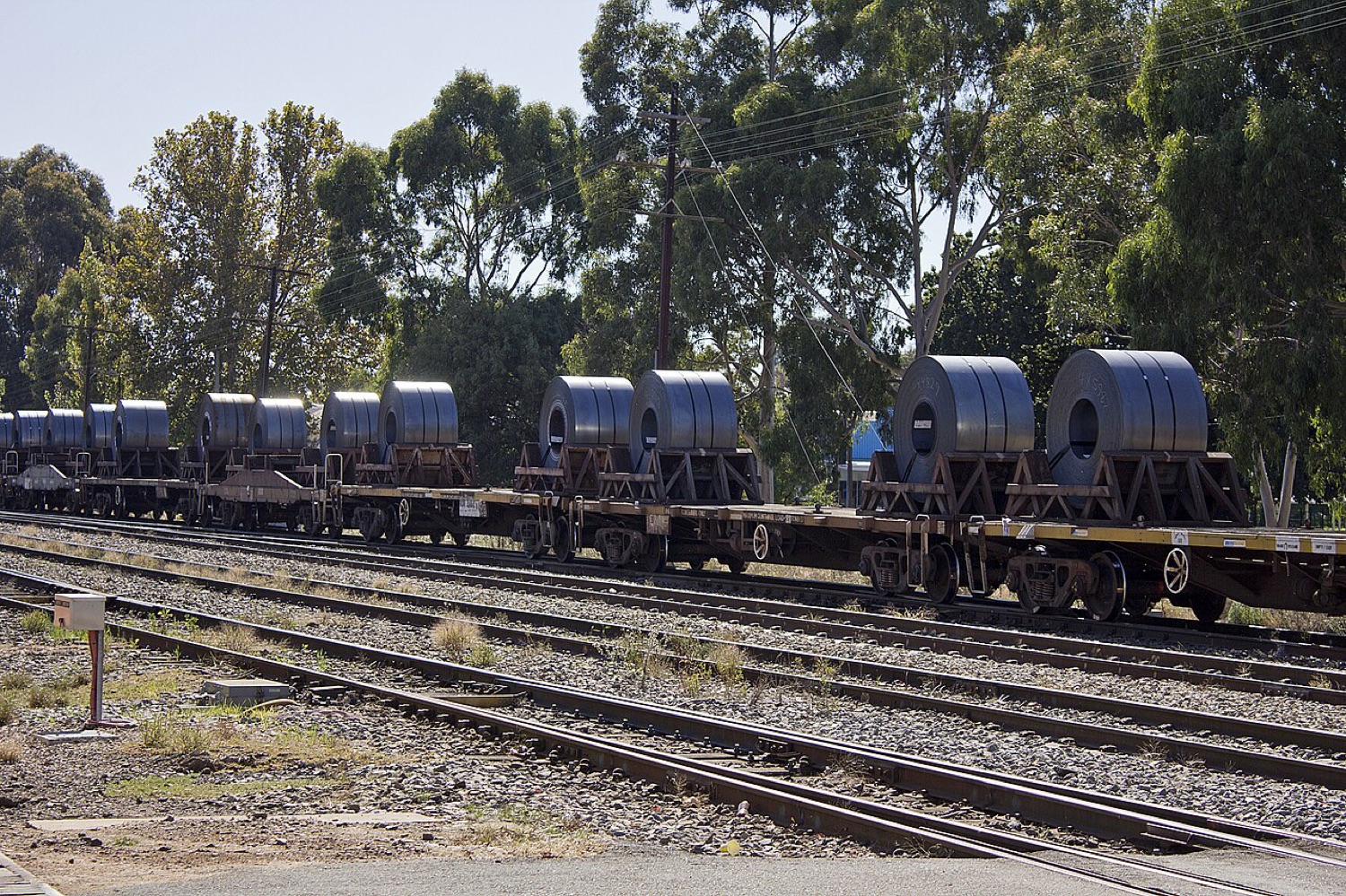
Watch steel starts in the same mills as structural steel: melted, cast, rolled into coils or bars and shipped around the world. Prices for the raw material rise and fall like any commodity, a subject we cover in steel futures and betting. For a watch, the material cost is small; the machining and finishing are where the money goes.


