Steel Futures and Betting: Where Hedging Ends and Gambling Begins
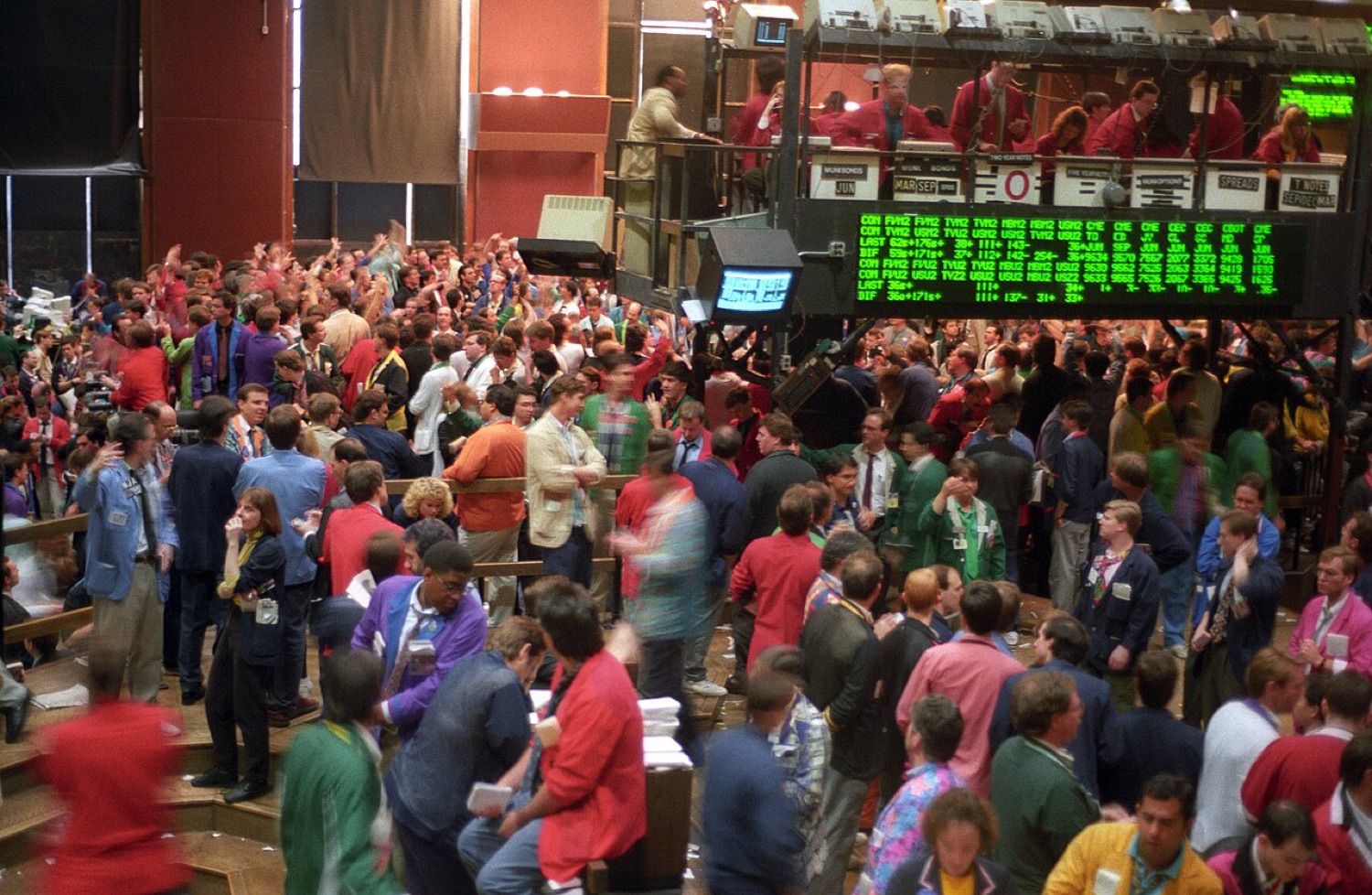
Steel and scrap prices can be traded as futures. How hedging works for metal buyers, why speculators are needed, and what really separates trading from a wager.
Section: Casino & Odds
Published:
Reading time: about 2 minutes
By the Steel Connect Journal editors
Steel is a commodity, and like oil, wheat or copper, its price moves with demand, energy costs, trade policy and the mood of the market. Exchanges list futures contracts on steel products, for example contracts on hot-rolled coil, rebar and scrap. To an outsider, trading them can look a lot like betting on a number. The two are related, but they are not the same thing.
What a future does
A futures contract is an agreement to buy or sell a set quantity at a set price on a future date. A manufacturer that needs steel in six months can buy futures today to lock in a cost. A mill can sell futures to lock in a selling price. If the market moves, the gain or loss on the futures roughly offsets the change in the price they pay or receive in the real world. That is hedging: reducing risk you already have.
The role of speculators
Hedgers need someone on the other side. Speculators take on price risk in the hope of profit, and in doing so they add liquidity to the market. Their activity looks closest to betting: they take a view on where the price will go and accept the possibility of losing.
So what is the difference from gambling?
| Hedging | Speculating | Casino or sports betting | |
|---|---|---|---|
| Existing risk? | Yes, reduces it | No, takes it on | No, creates it |
| Economic role | Price certainty | Liquidity | Entertainment |
| Built-in edge | No house edge | No house edge | House edge or margin |
A sportsbook or casino builds a margin into its odds, so over many bets the house expects to win. Futures markets charge fees, but prices are set by buyers and sellers, not by a house. Leverage, however, means losses can be large and fast, which is why regulators treat these products seriously.
From coil to wrist
Swings in steel prices barely touch the price of a watch, where machining and finishing cost far more than the metal. For a builder pricing a steel-framed tower, they matter a great deal. Our article on the steel behind the Las Vegas Strip shows how much metal goes into a single resort.
This article is general background, not financial advice.


