Smartwatches at the Poker Table: What Card Rooms Allow
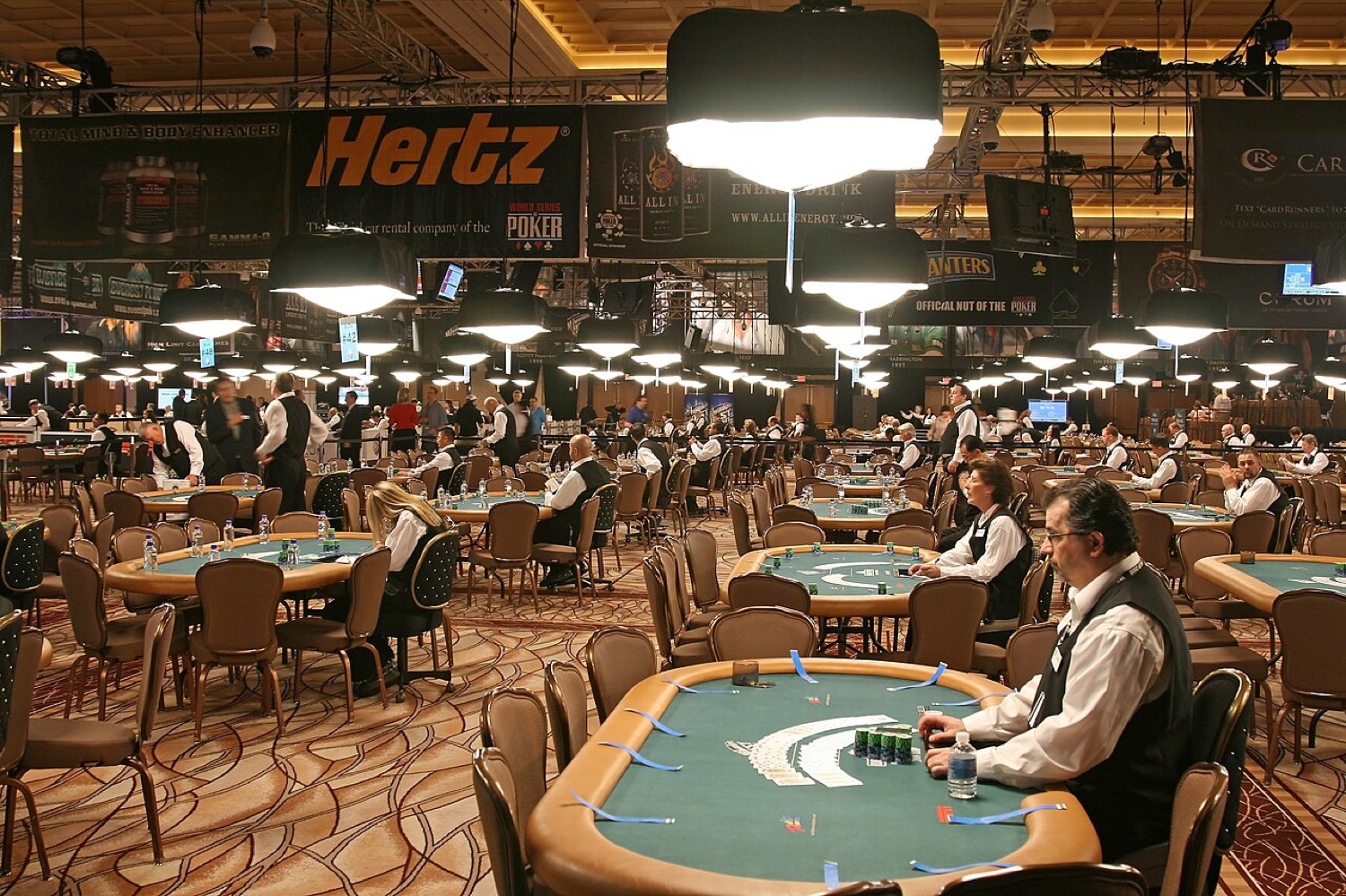
Connected watches and live poker do not always mix. How card rooms and tournaments tend to treat smartwatches, and how to avoid an awkward moment with the floor.
Section: Casino & Odds
Published:
Reading time: about 2 minutes
By the Steel Connect Journal editors
Poker is a game of information, and a smartwatch is a device built to deliver information to your wrist. It is no surprise that card rooms have had to think about them. Rules differ from room to room and change over time, so treat this as a general picture rather than a rulebook, and always ask the floor if you are unsure.
The general principle
Most tournament rules and many cash game rooms restrict the use of electronic devices while you are involved in a hand. The concern is simple: a player should not receive outside help, whether that is a message from a friend, a solver app or a chart. A phone on the table is easy to spot; a watch is less obvious, which is why some rooms mention smartwatches specifically and others leave it to the floor's judgement.
What players usually do
- Silence notifications or switch the watch to a do-not-disturb or theatre mode during play.
- Do not interact with the watch while you have cards. Checking the time between hands is generally not an issue.
- Take it off if a dealer or floor person asks. Arguing rarely ends well.
- Know the house rules. Major series publish their rules before each event.
A case for a plain watch
Many regulars bring a simple mechanical or quartz watch to long sessions. It tells the time, it never buzzes and nobody wonders what is on the screen. If you prefer to keep your smartwatch, a classic strap makes it look less like a gadget; our guide to Apple Watch lug adapters explains how some players fit traditional straps.
Time matters at the table
Poker tournaments run on levels of fixed length, and players track breaks, blind increases and their own fatigue. A watch you trust helps you notice when you have been sitting for four hours without a proper break, which is when decisions start to slip. The odds of playing well after midnight on an empty stomach are rarely in your favour, whatever is on your wrist.


