Inside a Slot Machine Cabinet: Sheet Steel, Glass and Locks
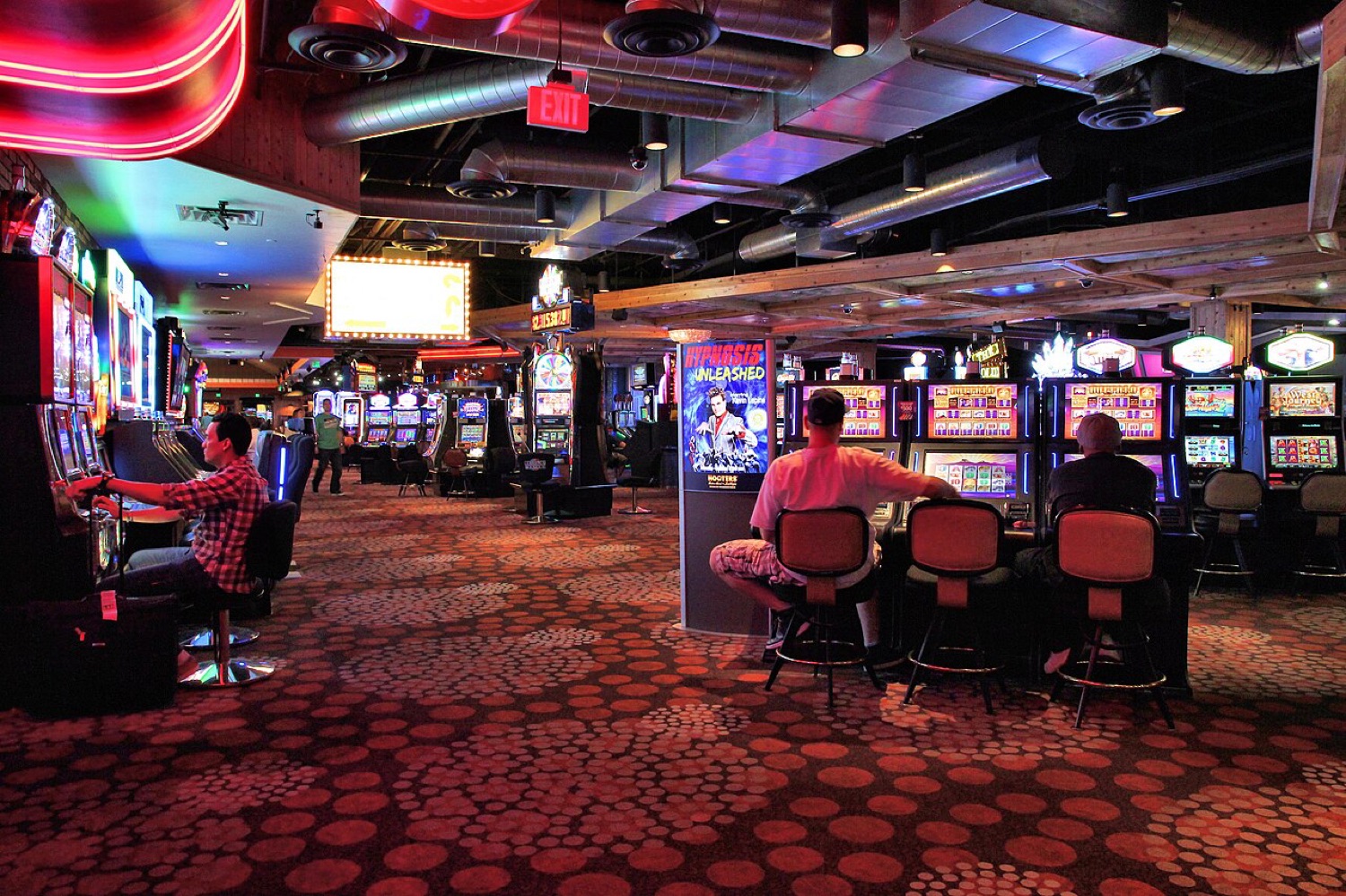
A slot machine is a computer in a steel safe. How cabinets are fabricated, why they are so heavy and what the locks and seals are for.
Section: Casino & Odds
Published:
Reading time: about 2 minutes
By the Steel Connect Journal editors
From the casino floor, a slot machine is all light and sound. Underneath the screens and the decorative trim, though, it is a heavy-duty metal enclosure designed to protect what is inside: a computer that runs the game, a bill validator holding cash or tickets, and a printer for payout tickets.
The cabinet
Most cabinets are built from cut and folded sheet steel, welded or riveted into a rigid box and powder coated. Laser cutting and CNC press brakes make the panels, much as they make server racks and ATMs. The result is heavy: a modern cabinet commonly weighs a few hundred pounds, which helps it resist tampering and keeps it stable on the floor.
Locks and compartments
Inside, the cabinet is divided into areas with separate access. The logic area that holds the game's main board is typically locked and sealed, and in regulated markets such as Nevada it is subject to strict rules about who may open it and when. The cash box area has its own lock and is handled by different staff. Doors are fitted with sensors that record when they open.
Glass, screens and trim
Older machines used printed glass panels and mechanical reels. Modern ones use large LCD screens, often curved, with toughened glass in front. The trim around the edge, lit with LEDs, is usually moulded plastic or machined and cast metal, finished to match the theme.
Why it matters to a metalworker
- Fabrication tolerances must keep doors square for years of opening and closing.
- Powder coat and brushed stainless trim must survive constant handling.
- Ventilation slots must keep electronics cool without weakening the enclosure.
The skills are the same ones used for much smaller objects. We look at precision machining in our feature on machined accessories.
A slot game's odds are set by its software and approved under local rules; the steel box simply makes sure nobody changes them. In the long run the machine pays back less than it takes, which is worth remembering under all those lights.


