Machined Aluminium and Steel: How Small Accessories Are Made
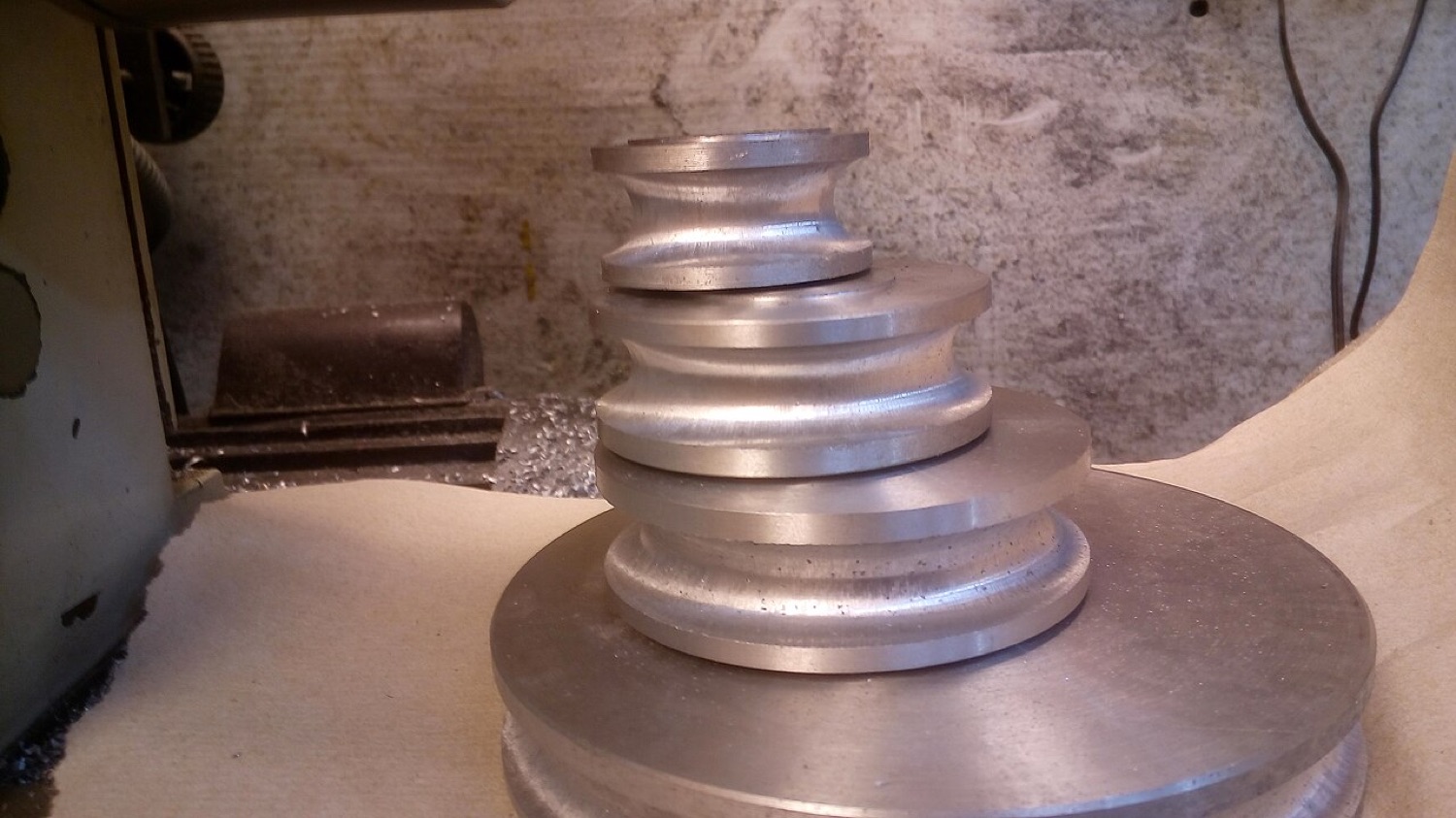
From a solid bar to a polished pencil dock or watch adapter: CNC machining, finishing and anodising explained without the jargon.
Section: Apple Pencil & Desk
Published:
Reading time: about 2 minutes
By the Steel Connect Journal editors
A strap adapter, a pencil dock and a phone stand have something in common: the good ones are cut from solid metal rather than cast or stamped. The process is CNC machining, and understanding it helps explain why some small accessories cost more than you might expect.
From bar stock to part
Machining starts with a solid bar or block, usually an aluminium alloy such as 6061 or a stainless steel such as 303 or 316L. A computer-controlled mill or lathe removes material with spinning cutters, following a toolpath programmed from a 3D model. Small parts may need several setups, flipping the piece to reach every face. Tolerances of a few hundredths of a millimetre are routine, which is what lets an adapter click into a watch without play.
Finishing
Raw machined parts show tool marks. Finishing turns them into something you want to touch:
- Bead blasting gives an even matte surface.
- Brushing drags an abrasive in one direction for the satin look.
- Polishing produces a mirror shine, but shows scratches.
- Anodising (aluminium only) grows a hard oxide layer that can be dyed in colours.
- PVD coating (mostly steel) adds a thin, hard coloured layer such as black or gold.
Why it costs what it costs
Machine time is expensive, and small runs spread the setup cost over fewer parts. A crowdfunded accessory made in a batch of a few hundred will rarely be cheap. Larger runs bring prices down, which is why popular accessories tend to get cheaper over time.
Same process, bigger scale
The techniques are the same in heavy industry. Steel cabinets for vending, ATMs and casino slot machines are made from cut, folded and welded sheet steel, while their trim and fittings are often machined or cast. We look at that side of metalwork in our feature on slot machine cabinets.
Next time you pick up a small, heavy, perfectly fitted accessory, it is worth remembering that it probably started life as a plain metal bar on a machine shop floor.


