Casino Floors Without Clocks: Why Your Watch Matters
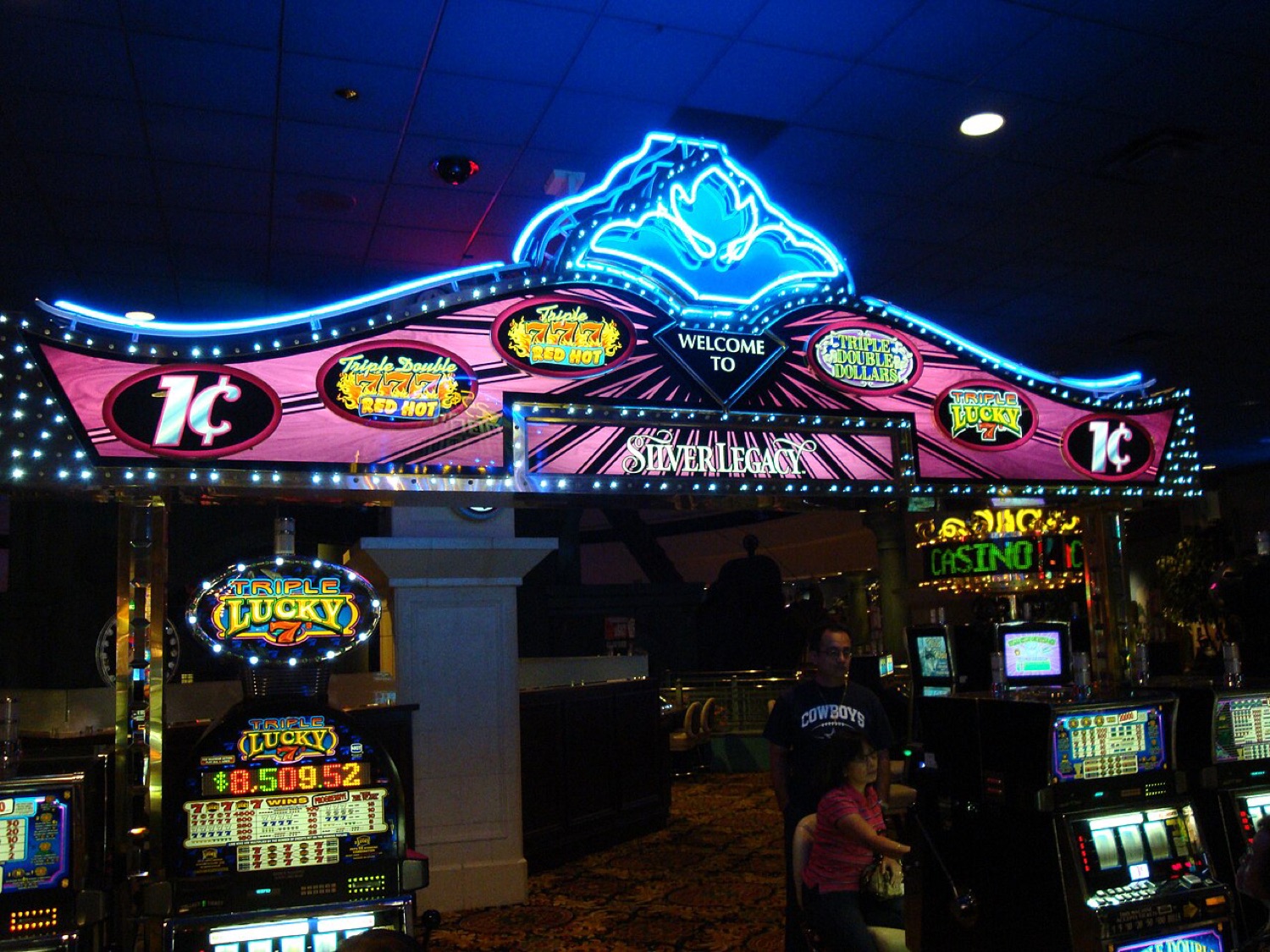
Casino floors famously avoid clocks and windows. Whether or not that is by design, a watch on your wrist is the easiest way to keep track of the night.
Section: Casino & Odds
Published:
Reading time: about 2 minutes
By the Steel Connect Journal editors
Walk onto almost any big casino floor and try to find a clock. You will usually struggle. Add the lack of windows, the steady lighting and the constant background sound, and it is easy to lose track of whether it is ten in the evening or three in the morning. That reputation is one of the best-known pieces of casino lore.
Design or tradition?
The story usually goes that casinos remove clocks so guests forget the time and keep playing. Casino designers have argued about it for decades. Some classic design theories favoured maze-like layouts and no time cues; others now prefer open, bright spaces with views and natural light. Whatever the motives, the effect for a guest is the same: on many floors you have to bring your own sense of time.
A watch is the simplest tool
A glance at your wrist is quicker and less tempting than pulling out a phone full of notifications. Some people set a gentle alarm on a smartwatch for when they planned to stop. Others simply decide on an end time and check it on a plain watch. Both work better than relying on the room.
Little habits that help
- Decide on a budget and an end time before you sit down.
- Take a real break every hour or two: eat, drink water, step outside.
- Check the time when you change games or tables, not only when you feel tired.
The watch itself
A casino resort is a long day on your feet, with air conditioning that dries leather and sweaty hands that mark polished steel. A comfortable strap is worth more than a fancy one. Our guide to choosing a strap material covers which ones cope best.
The house sets the odds on every game; the one thing fully in your control is how long you stay. A watch makes that a lot easier to keep track of.


